



What’s Really Inside that Compostable Seed Bag?
An important difference comes down to ingredients. Many inexpensive bird seed blends contain large amounts of “filler” grains. These ingredients add weight to the bag, but they often aren’t favored by the songbirds most people hope to attract. An added bonus
One of the most common fillers is milo, a reddish grain frequently found in economy bird seed mixes. While pigeons, doves, and some livestock may eat milo, many backyard songbirds simply toss it aside while searching for preferred foods. Many other low-cost mixes contain excessive amounts of cracked corn, empty seed hulls, or grit and debris. While some ground-feeding birds and mammals may consume corn, song birds prefer higher-quality ingredients such as sunflower, safflower, and millet. The seed your birds do not eat, ends up as waste on the ground, and fewer birds at the feeder.
Choosing Seed for Local Birds
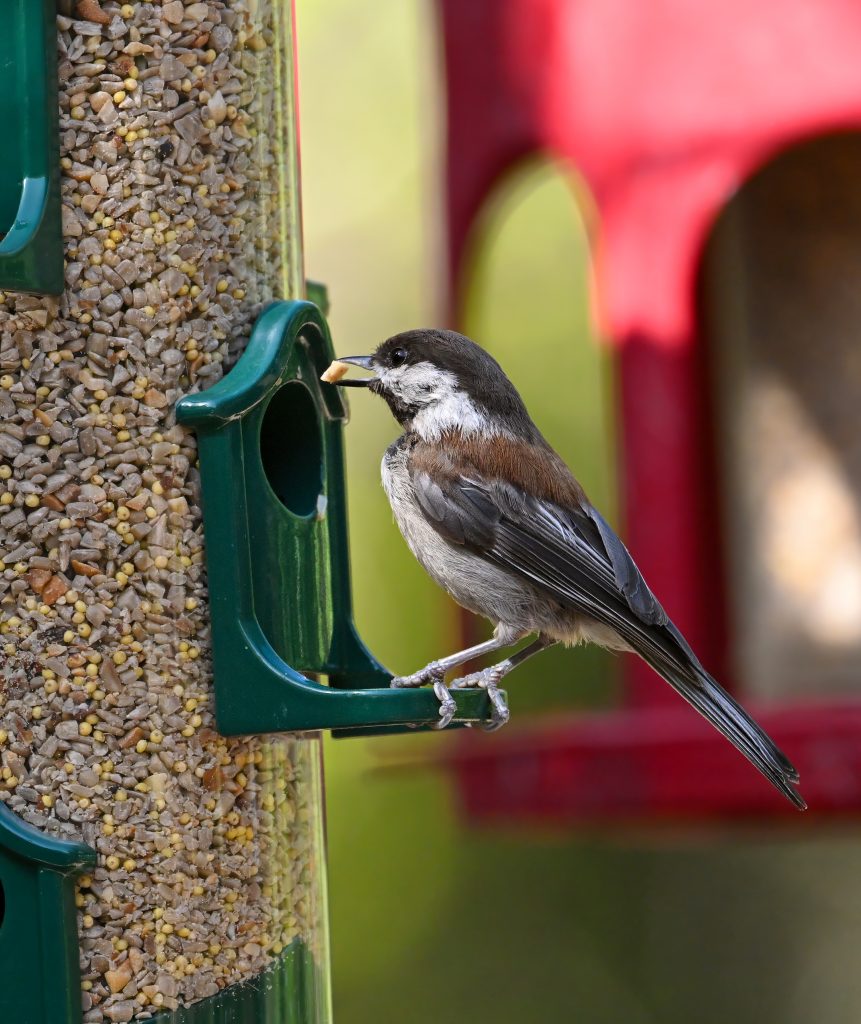
Different birds have different dietary preferences. Goldfinches prefer nyjer seed. Practically everyone enjoys sunflower seed including chickadees, titmice, and nuthatches. Doves enjoy millet. Woodpeckers often favor peanuts and suet. That’s why quality bird seed blends are formulated with specific species in mind. Rather than filling a bag with inexpensive ingredients, premium mixes focus on seeds birds actively seek out.
More Value in Every Bag
When birds eat more of the seed and less is discarded onto the ground, you’re getting more feeding power from every pound. Less waste also means fewer cleanup issues beneath your feeders. At the Los Gatos Birdwatcher, we’re proud to offer Volkman seed because they contain no filler and are designed specifically for our local wild birds. We’d be happy to help you select the right seed blend for your backyard birds. Come visit us at the store soon.